
The "One-Year Mask" Rule for New Relationships
According to many women who have navigated decades of dating and marriage, you don't truly know a person until a full four seasons have passed. They suggest that people can "reportedly" hide their less desirable traits or psychological quirks for about twelve months before the metaphorical mask begins to slip. This wisdom encourages waiting at least a year before making major life changes like moving in together or merging finances.

By observing how a partner handles a full cycle of holidays, stressors, and seasonal changes, you gain a clearer, more factually grounded picture of their true character and long-term compatibility.
Your Kitchen Table Is a More Stable Investment Than the Stock Market
While financial advisors focus on portfolios, many 80-year-old matriarchs swear by the "hospitality hedge." They argue that the money spent on a sturdy kitchen table and consistent Sunday dinners yields a higher emotional return on investment than any mutual fund. This isn't about ignoring retirement savings, but rather recognizing that a strong, local support network of family and friends is the ultimate safety net.

If the economy fluctuates, the relationships forged around that table provide a form of "social currency" that can provide housing, care, and emotional labor that money simply cannot buy in your later years.
The Volume Knob Also Turns to the Left
Maturity is often defined by the realization that you no longer need to win every argument or be the loudest voice in the room. These trailblazing women suggest that "turning the volume down" on conflict is a superpower. It involves choosing peace over being right and recognizing that most disagreements aren't worth the adrenaline spike. By consciously deciding to disengage from "nonsense," you preserve your energy for things that actually matter.

This "left-turn" philosophy applies to literal noise, digital clutter, and social drama, allowing for a much more serene and focused existence as you age.
Never "Yuck" Someone Else’s "Yum"
As the generation that embraced the 1960s counter-culture, these women learned early on that judging others' joy is a waste of time. Whether it’s a strange hobby, an unconventional outfit, or a niche passion, they advise letting people enjoy what they love without cynical commentary. This non-judgmental stance keeps your own mind open and prevents the bitterness that often plagues older age. By celebrating the diverse ways people find happiness, you remain curious and connected to the world around you.
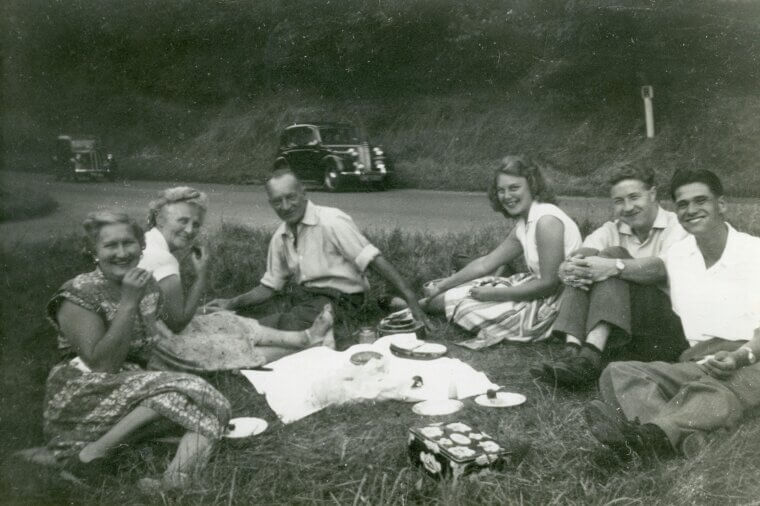
And doing that ensures that you stay "young at heart" regardless of the number on your birth certificate.
The "Three-Day Rule" for Big Purchases
In a world of instant gratification, 80-year-old women often rely on a mandatory cooling-off period. They suggest that if you see something you "must" have, you should wait exactly three days before hitting the "buy" button. Allegedly, 90% of the time, the impulse fades, and you realize you were just looking for a temporary hit of dopamine. This habit isn't just about frugality; it’s about intentionality.
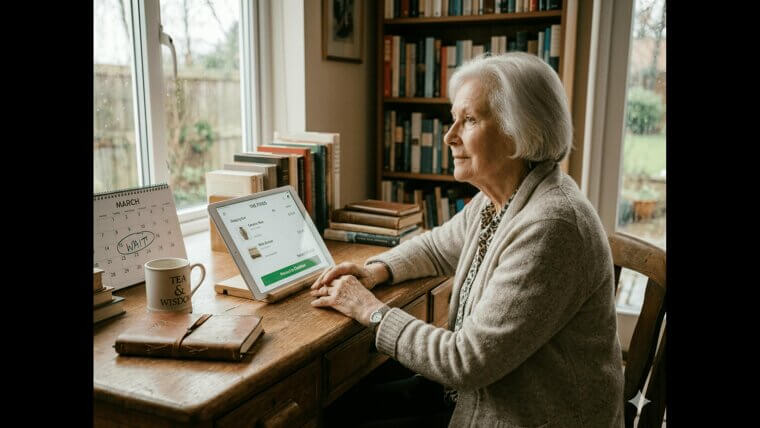
It ensures that your home remains a sanctuary of items you truly value rather than a storage unit for fleeting whims that eventually become clutter you'll have to manage later.
Treat Your Sleep Like a Spiritual Practice
For this generation, rest isn't a luxury or a sign of "laziness"—it is the foundation of cognitive health. Many 80-year-old women view their sleep environment as a "sacred" space, investing in the best linens and strictly banning screens from the bedroom. They’ve learned that a well-rested brain is more resilient against the stresses of aging and more capable of complex problem-solving. By prioritizing a consistent sleep ritual, they maintain the mental clarity needed to stay independent and engaged.

They suggest that if you protect your sleep, your sleep will protect your long-term health and vitality.
Be Your Own Best Friend—And Act Like It
Many women spent their 30s and 40s putting everyone else first, but by 80, they’ve realized that the longest relationship they’ll ever have is with themselves. They advise talking to yourself with the same kindness you would offer a dear friend. This means forgiving yourself for past mistakes and treating your body with respect rather than criticism. When you become your own primary support system, you are less dependent on external validation.

This self-reliance is reportedly the secret to the quiet confidence and "moxie" that many women of this generation display in their eighth decade.
Financial Independence Is the Ultimate "Walking Away" Fund
The first generation of women to enter the workforce in record numbers knows that money is synonymous with options. Their advice? Always keep a separate account that is yours alone, regardless of your marital status. This isn't about a lack of trust; it’s about the freedom to make choices without needing permission. Whether it's taking a solo trip, supporting a cause you believe in, or leaving a situation that no longer serves you, having financial resources is a game-changer.

Having your own "exit fund" provides a level of psychological security that is essential for a truly empowered and independent life.
The Art of the "No" Without an Explanation
One of the most liberating lessons these women share is that "No" is a complete sentence. You do not owe anyone a three-paragraph excuse as to why you cannot attend an event or take on a new responsibility. As you reach 80, your time becomes your most precious resource, and you learn to guard it fiercely. By stripping away the need to justify your boundaries, you eliminate the guilt that often comes with people-pleasing.

This simple shift in communication allows you to spend your energy on activities and people that truly bring you fulfillment and joy.
Buy the Good Shoes, Even if They Aren't "Cute"
While the 1980s might have been about power suits and high heels, the women turning 80 in 2026 have a more practical take on fashion: your feet are the tires of your body. They suggest that skimping on footwear is a recipe for long-term mobility issues. Investing in high-quality, supportive shoes is a gift to your future self. It allows you to keep walking, traveling, and exploring well into your 80s and 90s.

They’ve found that being able to walk three miles comfortably is far more stylish than any pair of trendy but painful designer pumps.
Your Children's Success Is Not Your Report Card
Many women of this generation felt immense pressure to raise "perfect" children, but the octogenarians of 2026 have a different perspective. They’ve learned that once children reach adulthood, their choices, mistakes, and path are their own. Decoupling your self-worth from your adult children’s lives is essential for your own peace of mind. This allows for a much healthier relationship based on mutual respect rather than control or disappointment.
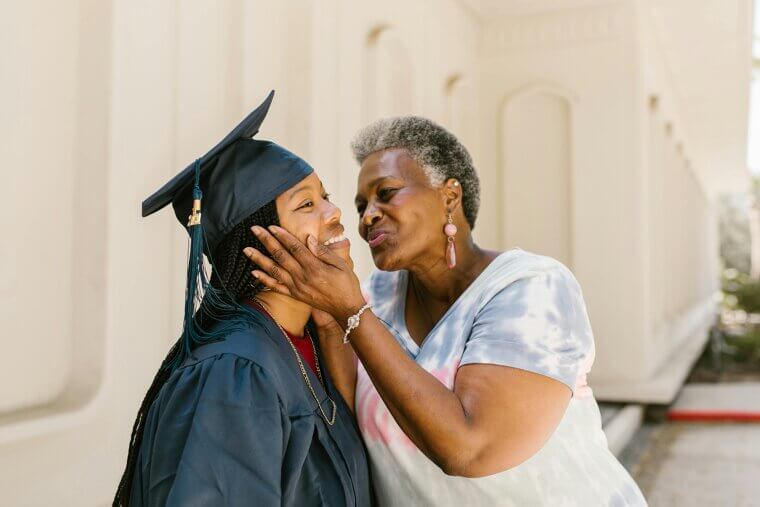
They advise focusing on being a supportive lighthouse rather than a tugboat trying to steer their ship, which leads to much deeper, more authentic family connections.
Routine Is the Secret to Spontaneity
It sounds like a contradiction, but many 80-year-old women swear that having a rock-solid daily routine is what gives them the freedom to be spontaneous. By automating the "boring" parts of life—like exercise, meal prep, and bill paying—they clear the mental space to say "yes" when a last-minute opportunity arises. If the foundation of your life is organized, a sudden trip or a long afternoon with a friend won't throw you off balance.

They suggest that structure isn't a cage; it’s the scaffolding that allows you to build a much more interesting and adventurous life.
The "Library Rule" for Gifts and Books
A common piece of wisdom from this generation is to stop "collecting" things and start "circulating" them. They advise against buying every book you want to read; instead, use the library or pass books along to friends as soon as you finish them. This philosophy extends to gifts—if you receive something you won't use, give it away immediately. Keeping your home free of "dust-collectors" makes it easier to maintain and more peaceful to live in.

It’s about valuing the experience or the knowledge gained rather than the physical object itself, which simplifies life significantly.
Anger Is a Luxury You Can't Afford
Many trail-blazing women note that holding onto grudges is like "drinking poison and waiting for the other person to die." By 80, they’ve seen how much energy bitterness consumes and how little it achieves. They recommend a policy of radical forgiveness—not necessarily for the other person’s sake, but for your own. Letting go of past wrongs frees up emotional real estate for gratitude and joy.

They suggest that life is too short to carry around heavy bags of resentment, and the sooner you drop them, the faster you can move toward a happy future.
The "Front Porch" Test for Every Decision
When faced with a difficult choice, these women suggest imagining yourself at 90, sitting on a front porch, looking back. Ask yourself: "Will I regret doing this, or will I regret not doing it?" Reportedly, people rarely regret the things they tried and failed at; they almost always regret the risks they didn't take. This perspective helps cut through the fear and anxiety of the present moment.

Whether it's starting a new business at 60 or moving to a new city at 75, the "Front Porch" test provides the clarity needed to live a life with no regrets.
A Good Stereo Is Better Than a New Car
Music was the heartbeat of the 1960s and 70s, and for those turning 80, that hasn't changed. They argue that high-quality sound in your home is a vital mental health tool. Music has the "alleged" power to trigger memories, reduce cortisol, and even improve balance through dance. Instead of spending money on a flashy vehicle that sits in the driveway, they suggest investing in a system that fills your living space with the songs of your life.

It’s an investment in your daily atmosphere and your cognitive "time machine" that keeps your brain sharp and active.
Don’t Wait for a "Special Occasion" to Use the China
One of the biggest regrets these women share is keeping their "best" things tucked away for a perfect day that never came. Their rule now? Use the good silver, wear the silk scarf to the grocery store, and light the expensive candles on a Tuesday night. Life itself is the special occasion. By treating everyday moments with a touch of elegance, you elevate your mood and appreciate what you have.
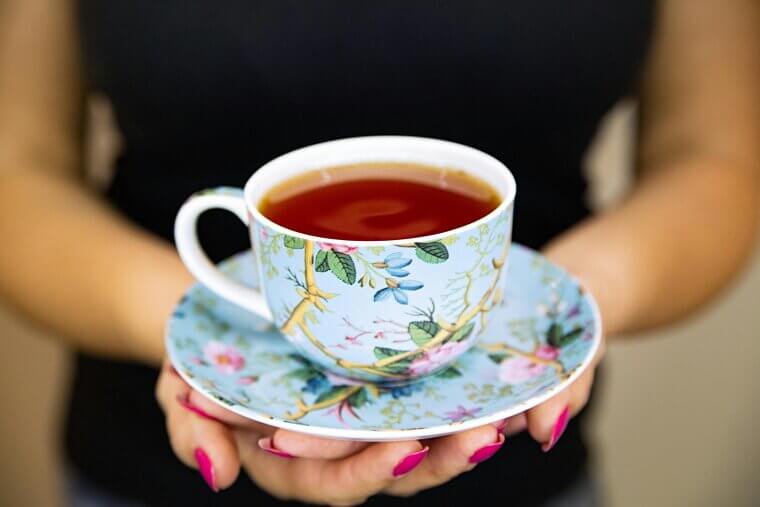
This shift from "saving" to "savoring" ensures that you actually get to enjoy the beautiful things you've worked hard to acquire throughout your life.
The "Two-Generation" Rule for Staying Relevant
To avoid becoming "out of touch," many 80-year-old women make a conscious effort to have friends who are at least twenty years younger and twenty years older. This "intergenerational bridge" keeps you exposed to new ideas, technologies, and perspectives while also providing you with the wisdom of those further ahead. Younger friends keep you "digitally literate" and energized, while older friends offer a roadmap for the coming decade.

This diversity in your social circle prevents the "echo chamber" effect and ensures you remain a vibrant, contributing member of society regardless of your age.
Learn to "Conversate" With Silence
In an age of constant digital noise, these women emphasize the importance of being comfortable in a quiet room. They’ve found that the ability to sit with your own thoughts without reaching for a phone or a television is a mark of true maturity. Silence allows for deep reflection and creative "million-dollar ideas" that often strike in the middle of the night. By practicing "stillness," you develop an internal compass that isn't swayed by the opinions of others.

It’s about becoming your own most interesting companion, which is the ultimate defense against loneliness in later life.
Your Body Is a Home, Not a Project
After decades of dieting and fitness trends, the women of 2026 have come to a radical conclusion: stop trying to "fix" your body and start trying to "house" it. They suggest shifting the focus from how your body looks to how it functions. This means nourishing it with good food and movement because you love it, not because you’re punishing it. You should view your body as the vessel that allows you to hug your grandkids and travel the world.
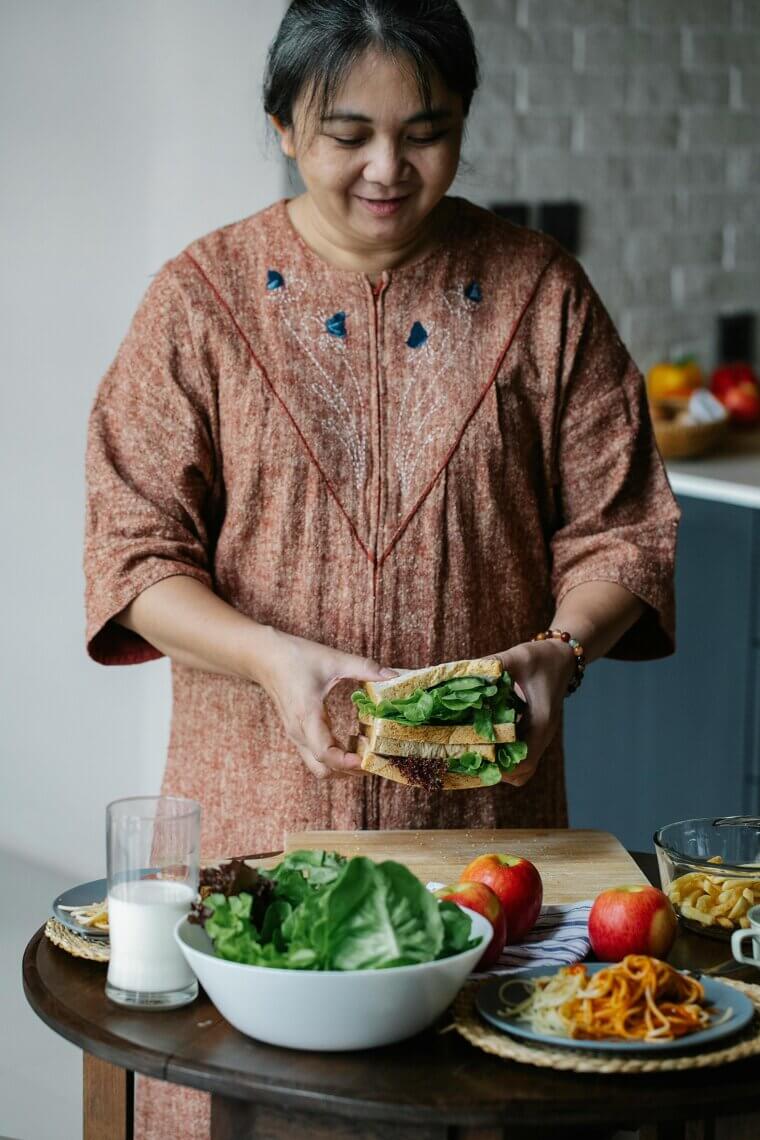
If you do that, you treat it with much more kindness. This mindset shift reportedly reduces the stress of aging and leads to better overall health.
Document Your "Ordinary" Wisdom
Many women regret not asking their own mothers more about their daily lives. They now advise younger generations to write down or record the "small" things: how they managed a budget during a crisis, their favorite "secret" recipes, or how they navigated a workplace as the only woman. These aren't just family stories; they are survival manuals. By documenting your lived experience, you provide a legacy that is much more valuable than jewelry or furniture.

It’s a way to stay "present" in the lives of your descendants long after you’re gone.
The 80/20 Rule for Long-Term Partnerships
For those in long-term relationships, these octogenarians swear by the "80/20" rule. They suggest that if a partner gives you 80% of what you need—honesty, kindness, and companionship—you should learn to overlook the 20% that annoys you. No one is 100% compatible, and chasing that final 20% often leads to losing the 80% that actually matters. This pragmatic approach to love emphasizes stability and shared history over perfection.
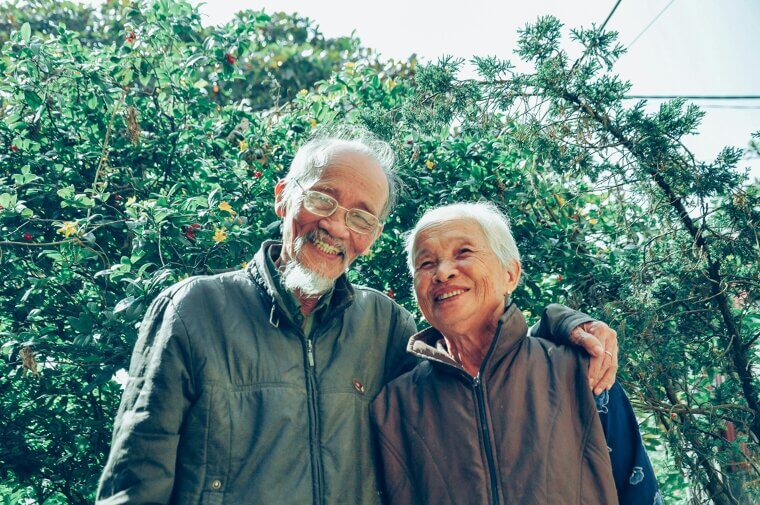
It’s about choosing to focus on the "green flags" rather than obsessing over the small, harmless "red flags" that every human being possesses.
Curiosity Is the Best Anti-Aging Cream
While the beauty industry sells serums, 80-year-old women sell curiosity. They’ve noticed that the people who age the most "gracefully" are the ones who never stop asking "why?" Whether it’s taking a pottery class, learning a new language, or simply reading about a topic they know nothing about, keeping the brain in "learning mode" is essential. Curiosity creates new neural pathways and keeps you engaged with the world.
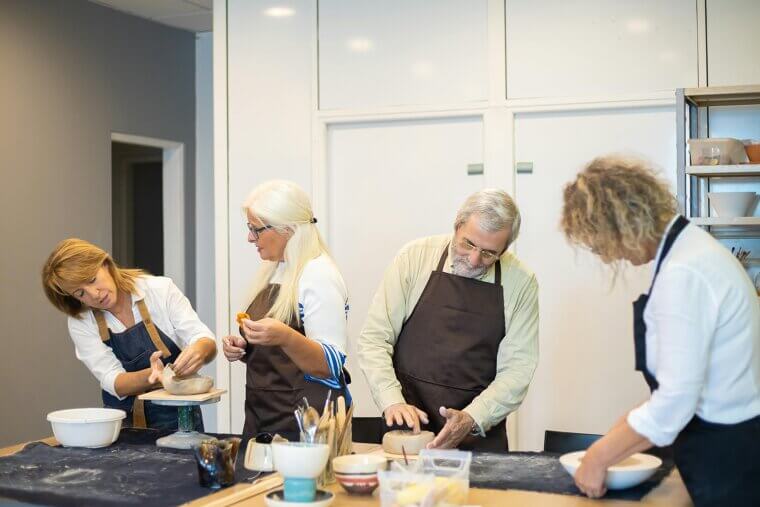
They suggest that as long as you are more interested in the future than you are in the past, you will never truly feel "old."
Own Your "Grey" With Guts
Many of these women were the first to embrace the "silver sister" movement, refusing to spend thousands of dollars hiding their age. They argue that grey hair and wrinkles are "reportedly" badges of survival and wisdom. By owning your physical age with confidence, you challenge the societal narrative that women become "invisible" as they get older. This boldness is contagious and empowers younger women to stop fearing the aging process.
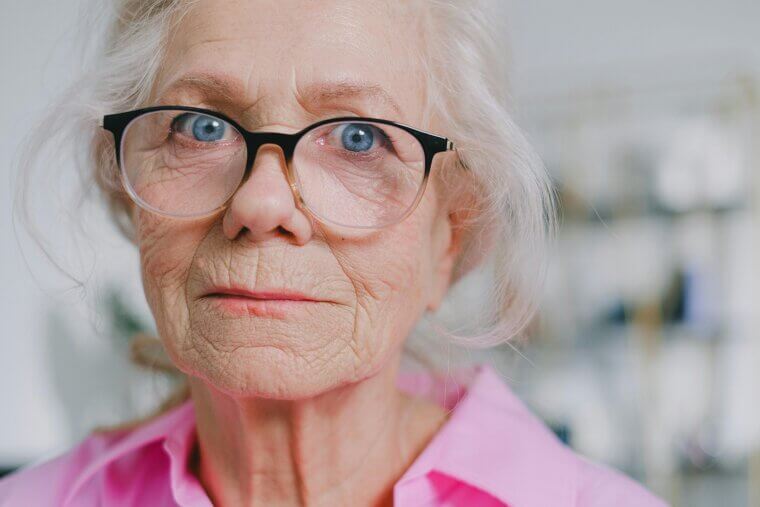
It’s about being "seen" on your own terms and refusing to apologize for the natural passage of time.
The "One-Touch" Rule for Paperwork
To keep a clear mind, you must keep a clear desk. These women suggest the "one-touch" rule: when a piece of mail or a bill comes into the house, you must either file it, pay it, or toss it immediately. Never let things "sit" to be dealt with later. This prevents the "paper pile-up" that can cause significant anxiety and leads to missed deadlines. By handling small tasks the moment they arrive, you keep your life ordered.

And it keeps your stress levels low, allowing you to focus your mental energy on much more enjoyable pursuits.
Cultivate a "Third Place" Outside the Home
Whether it's a community garden, a local coffee shop, or a bridge club, having a "third place" (not home and not work) is vital for social health. These women emphasize that physical "community" cannot be replaced by social media. Having a spot where people know your name and expect to see you provides a sense of belonging and accountability. It encourages you to get dressed, leave the house, and interact with the world.
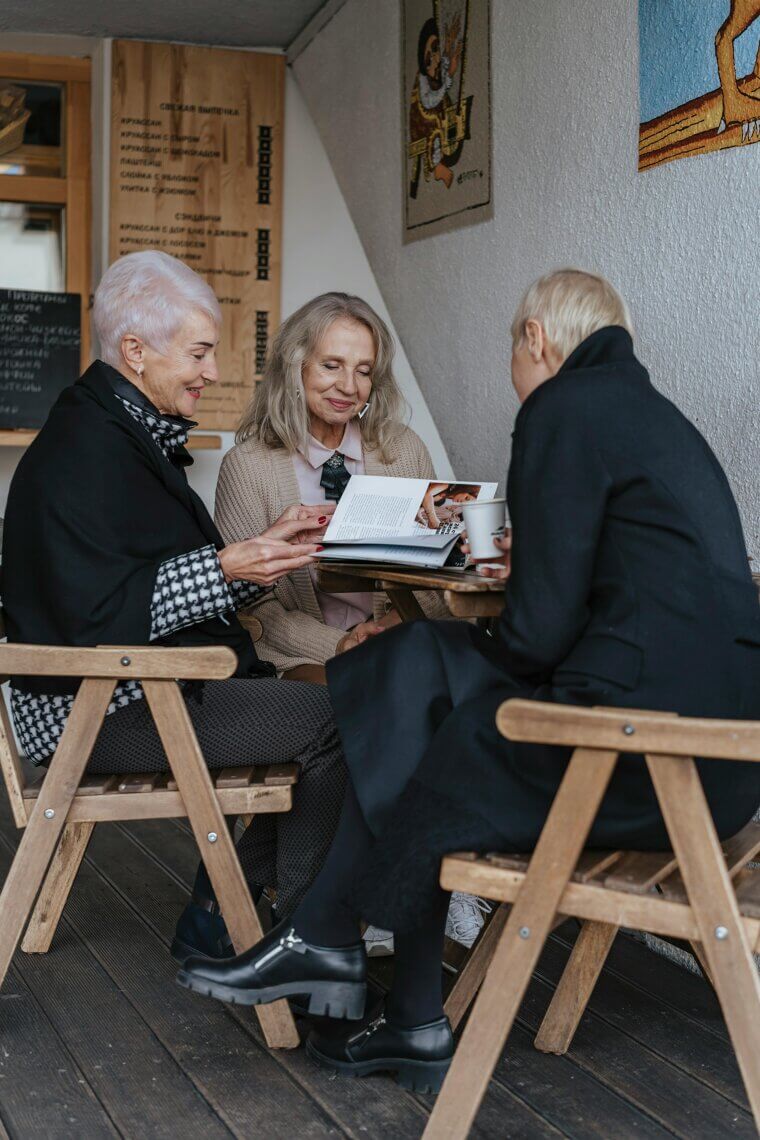
And that is one of the most effective ways to combat the isolation that can sometimes come with retirement.
Be the One Who Initiates the Plan
Many people wait to be invited, but the women of 2026 suggest being the "inviter." Don't wait for your friends or family to call you; reach out and set the date. This proactive approach ensures you have a full social calendar and keeps your relationships active. It also shows the people in your life that they are valued. By being the "engine" of your social circle, you ensure that you remain at the heart of your community.

And you won't start drifting to the sidelines. It’s a simple way to maintain influence and connection as you age.
Trust Your "Gut" Over the "Expert"
Having lived through decades of conflicting "expert" advice on everything from eggs to real estate, these women have learned that their intuition is often the most reliable guide. They suggest that if something "feels" off—whether it's a financial deal or a new acquaintance—it probably is. They’ve found that "allegedly" our subconscious picks up on micro-signals that our logical mind misses. Learning to listen to that internal "whisper" has saved them from countless mistakes.
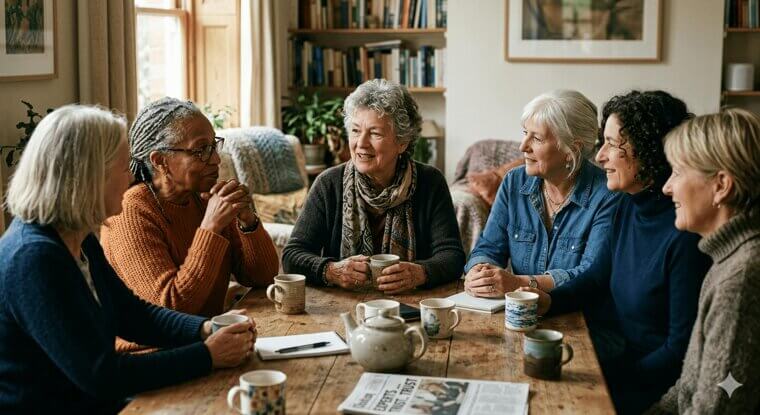
And has led them to their most successful ventures. Trusting yourself is the ultimate mark of an experienced life.
The "Five-Minute" Rule for Procrastination
When faced with a task you’re dreading, these women suggest committing to doing it for just five minutes. Tell yourself you can stop after that. Reportedly, the hardest part of any task is starting; once you’ve spent five minutes on it, you’ll likely find the momentum to finish. This technique is especially helpful for maintaining a home or managing health admin. It breaks down overwhelming projects into manageable chunks.
And it prevents the "mental clutter" that comes from knowing you have an unfinished task hanging over your head.
Humor Is the Only Way to Survive the News
Having lived through several "end-of-the-world" scenarios, these octogenarians have developed a thick skin and a sharp sense of humor. They suggest that while staying informed is important, taking the news too seriously can be detrimental to your health. They recommend finding the absurdity in politics and pop culture and sharing a laugh about it with friends. Humor provides the necessary distance to process difficult events without being crushed by them.
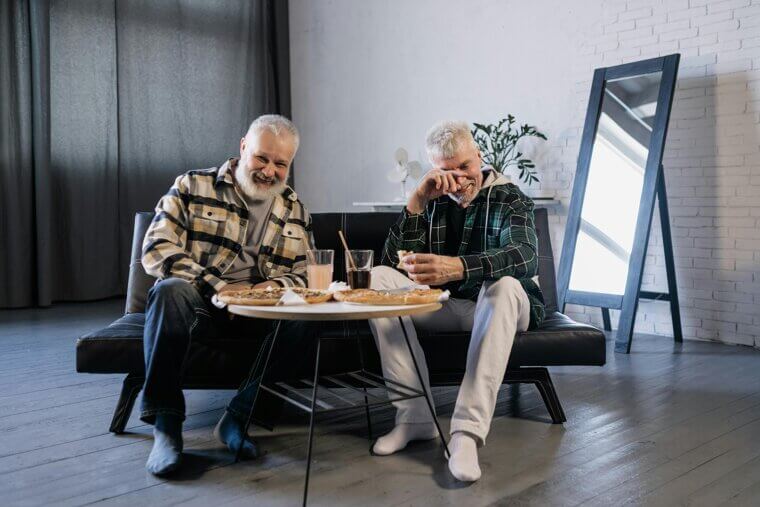
A good laugh is reportedly as effective as a workout for releasing endorphins and maintaining a positive outlook.
Never Give Up Your "Driver's Seat"—Literally or Figuratively
Independence is a "use it or lose it" commodity. These women advise staying "in the driver's seat" for as long as it is safe to do so. This means managing your own finances, making your own medical appointments, and continuing to drive or navigate public transit. The moment you start delegating these tasks "just because," you begin to lose your sense of agency. They suggest pushing yourself to stay capable and autonomous.

This self-reliance is what keeps the mind sharp and the spirit strong well into your 80s.
Celebrate the "Small Wins" Every Single Day
You don't need a promotion or a wedding to celebrate. These women have learned to find joy in the "small wins"—a perfect cup of tea, a blooming flower, or finishing a crossword puzzle. By acknowledging these tiny moments of success, you train your brain to look for the positive rather than the negative. This "gratitude habit" creates a much more resilient and happy mindset. They suggest that a life is made up of millions of small moments.

And if you learn to enjoy those, you'll have a very successful life overall. Don't take our word for it, ask the baby-boomers.
Technology Is a Tool, Not a Master
The women of 2026 are surprisingly tech-savvy, but they have a healthy boundary with their devices. They use technology to stay connected with family and access information, but they don't let it dictate their day. They suggest setting "digital-free" hours and prioritizing face-to-face interaction whenever possible. They’ve seen how "allegedly" addictive social media can be and choose to treat it as a utility rather than a lifestyle.
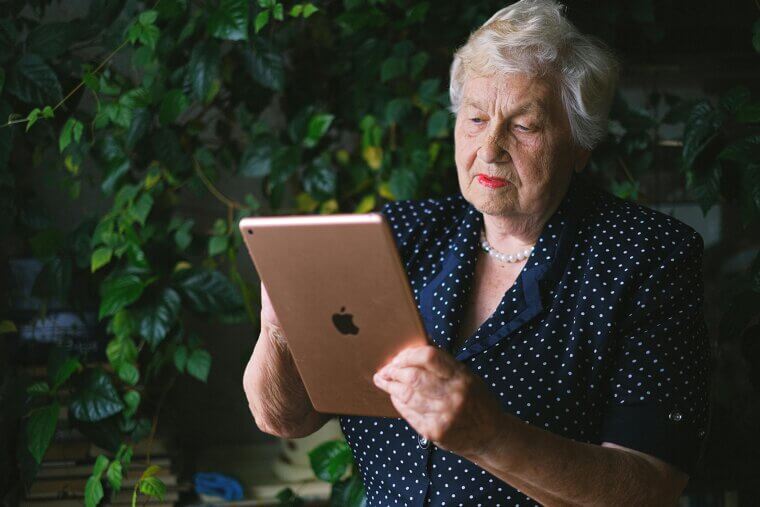
By staying in control of your digital life, you ensure that technology serves you rather than the other way around.
Forgive Your Younger Self for "Not Knowing"
Many women look back and cringe at their younger choices, but these 80-year-olds offer a gentler perspective: you were doing the best you could with the information you had. They suggest practicing "retrospective compassion"—looking back at your 20-year-old self and offering a hug rather than a lecture. This self-forgiveness is essential for finding peace in your later years. Once you stop fighting with your past, you have much more energy to enjoy your present.
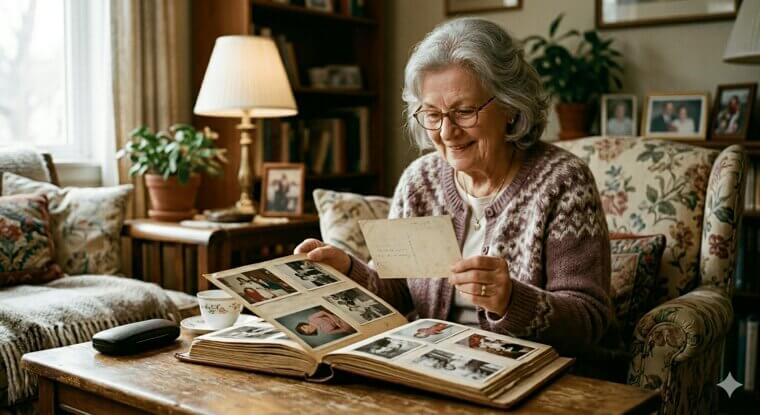
It’s about accepting that "growth" requires making mistakes, and those mistakes were necessary for you to become the wise woman you are today.
The "Legacy of Kindness" Rule
At the end of the day, these trailblazers have realized that people won't remember your career titles or your bank balance; they will remember how you made them feel. They suggest making "kindness" your primary goal in every interaction. Whether it's the grocery clerk or your oldest friend, treating people with respect and empathy is the most powerful legacy you can leave. This doesn't mean being a "doormat," but rather choosing to be a source of light in a sometimes dark world.

Kindness is the ultimate "rock n' roll" move—it's rebellious, it's powerful, and it changes everything.